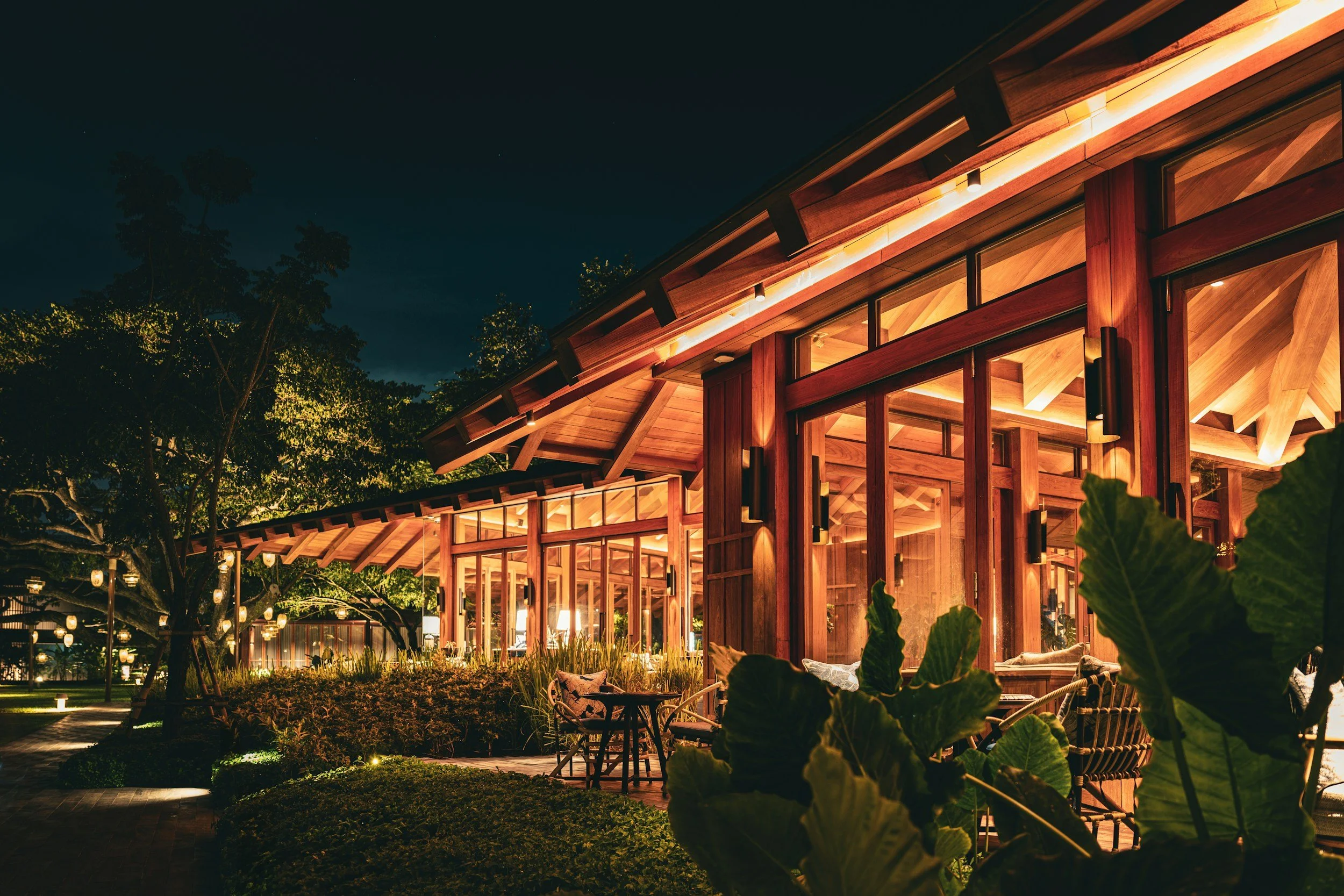
Wellness as Infrastructure for Modern Living
A strategic framework for developers who understand that environment, culture, and behavior now drive differentiation, retention, and long-term brand value.
The Market Has Shifted
Today’s residents are not just choosing buildings — they are choosing identities, rhythms, and ways of living.
Traditional amenities and surface-level wellness programming no longer differentiate a property. Residents expect wellness to be felt — embedded into the environment, reinforced by culture, and sustained through daily life.
Developments that succeed in this next era are not adding more offerings. They are designing coherent living systems.
Where Most Wellness Efforts Fall Short
Many developments invest heavily in wellness features, yet adoption remains low and impact is difficult to measure.
The issue is rarely intention or budget. It is misalignment.
When wellness is treated as marketing, programming, or a checklist of amenities, it fails to translate into lived experience. Staff struggle to embody the brand promise. Residents disengage after move-in. The atmosphere feels fragmented rather than intentional.
Wellness succeeds when it is designed as infrastructure, not added as an afterthought.
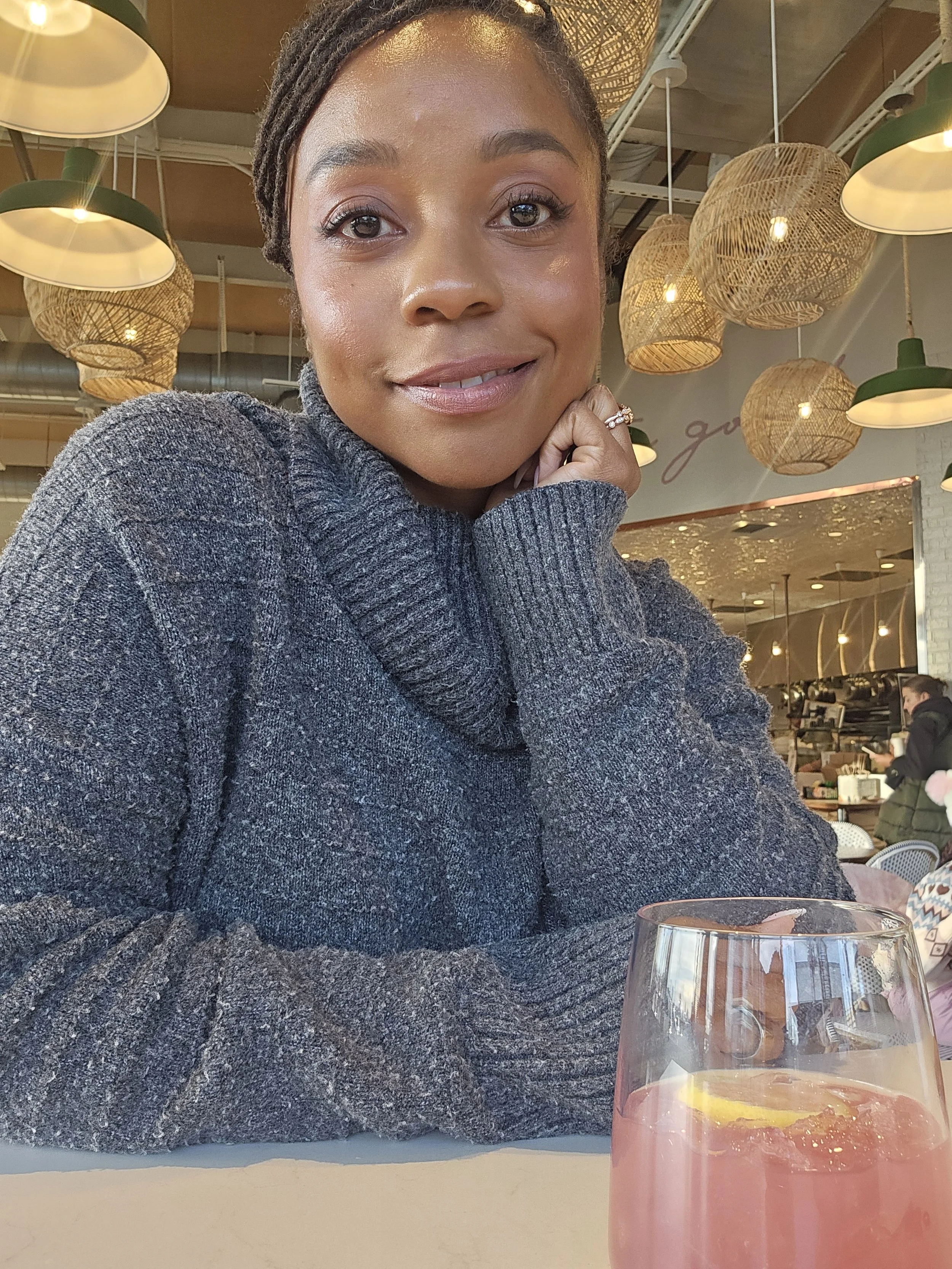
My Role
I am a WELL AP and WELL Faculty member, bringing evidence-based frameworks into practical, real-world application.
I work with developers to translate wellness from concept into lived experience.
My work sits at the intersection of environmental design, behavioral insight, and cultural alignment — ensuring that wellness is not only present, but felt, understood, and sustained over time.
Rather than providing programming or one-off initiatives, I act as a strategic partner — helping teams design environments and systems that naturally support healthier, more engaging ways of living.
The Era Framework
My work is guided by a simple principle: wellness becomes powerful when place, people, and rhythm are aligned.
Place
The built environment sets the emotional and behavioral tone of daily life.
I assess how spatial design, lighting, materiality, flow, and sensory cues influence how residents move, rest, and engage — identifying gaps between design intent and lived experience.
People
Staff culture and operational behavior quietly shape resident experience.
I help teams align internal culture with the external brand promise, so wellness is reinforced through everyday interactions — not explained, enforced, or performed.
Rhythm
Sustainable wellness is not driven by events.
It emerges through simple, repeatable rhythms that feel natural rather than forced — creating consistency without dependence on constant programming.
How Engagements Typically Begin
Most engagements begin with a short strategic phase designed to assess alignment, identify opportunity, and establish a clear direction.
From there, support may include culture alignment, experiential strategy, resident integration, or long-term advisory — depending on the needs and scale of the project.
Engagements are intentionally designed to integrate smoothly with existing teams and timelines.
What This Creates
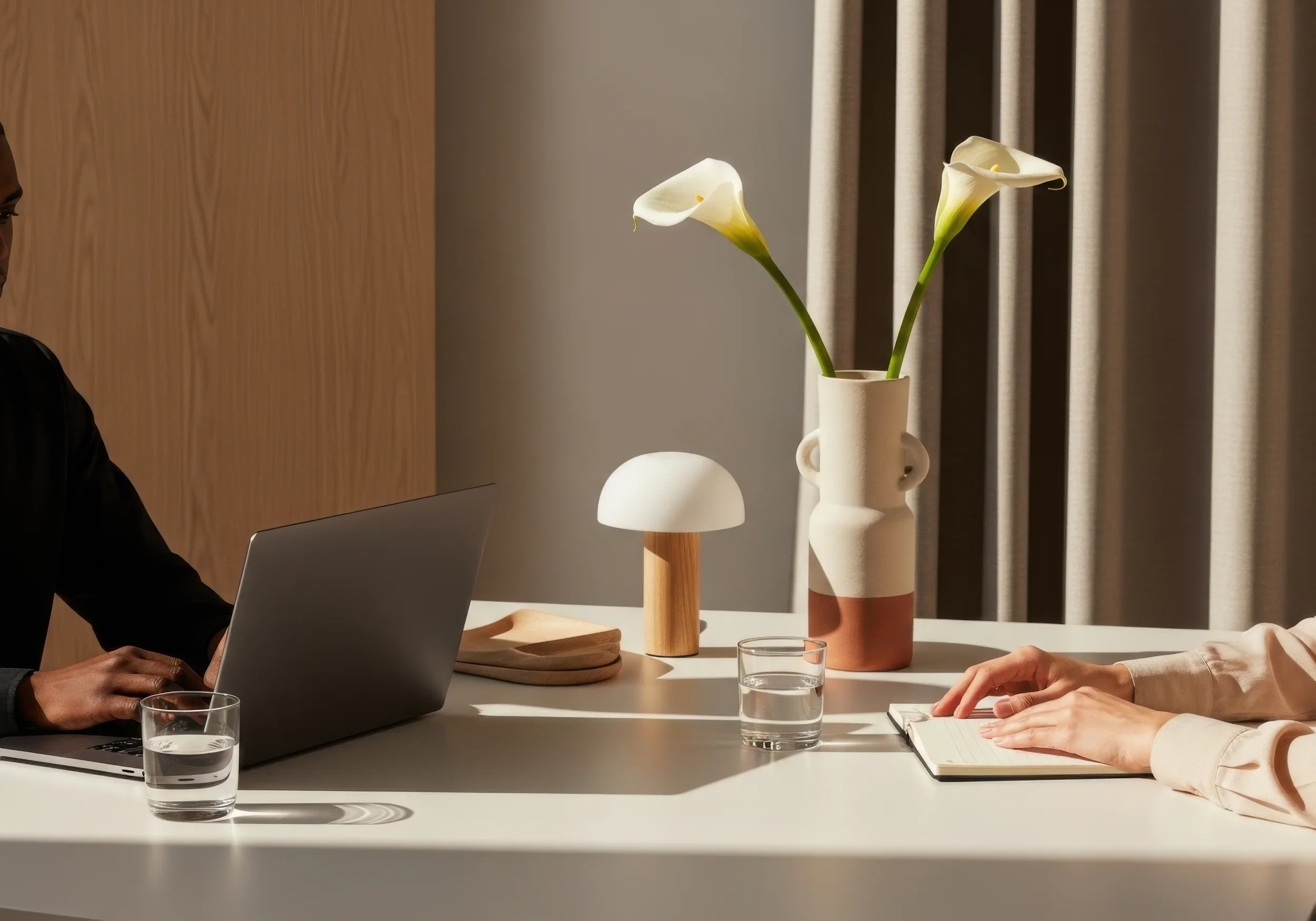
When wellness is designed as infrastructure, developments experience stronger identity, higher resident engagement, smoother operations, and differentiation that cannot be easily replicated.
The result is not louder marketing — but a quieter confidence that residents can feel.
Private conversations for developers exploring integrated wellness strategy.